What is Shopify is one of the most common questions students ask when they first hear about online business. Today, many people want to earn digitally, build skills, or start something of their own. When they search on Google, the first platform name they see again and again is Shopify.
When I was also a student, I had the same curiosity. I did not understand how people were selling products online without shops, staff, or offices. I wanted to know how online stores actually work. That curiosity led me to learn what Shopify really is.
In this guide, you will deeply understand what is Shopify, how it works, why people trust it, and why it has become one of the most powerful eCommerce platforms in the world — all explained in simple student English.
What Is Shopify?
What is Shopify? Shopify is an eCommerce platform that allows anyone to create an online store and sell products through the internet. It provides all the tools required to run an online business from one single dashboard.
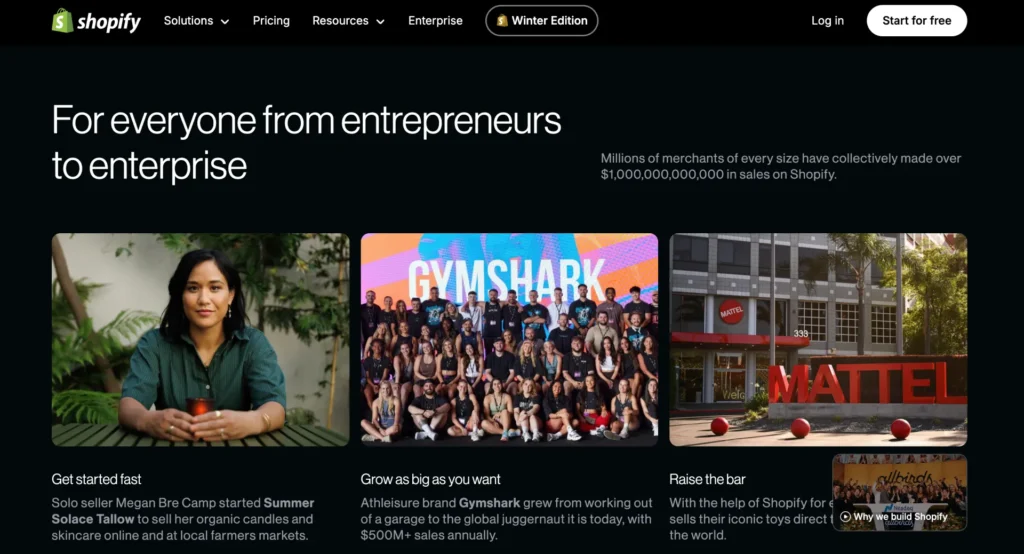
Before Shopify existed, creating an online store required technical knowledge. People had to buy hosting, install software, set up payment gateways, and manage security. Shopify removed all this complexity and made online selling simple.
In easy words:
Shopify is a platform that helps you build, manage, and grow an online store without coding.
You focus on selling, while Shopify takes care of the technical work.
Shopify helps you with:
- Website creation
- Product management
- Online payments
- Order tracking
- Customer management
- Security and hosting
This is the main reason Shopify is beginner friendly.
What Is Shopify in Simple Words
Many students get confused because the word “eCommerce” sounds complex. But what is Shopify in simple words is actually very easy to understand.
Think of Shopify like a ready-made online shop. Instead of building everything yourself, Shopify gives you a shop where shelves, billing counter, and payment system are already installed.
You only need to:
- Add products
- Set prices
- Promote your store
Everything else works automatically.
In simple comparison:
- Offline shop → building, rent, staff
- Online Shopify shop → laptop + internet
That is why Shopify is popular among beginners and students.
My Story: How I First Learned What Is Shopify
When I was in college, I often saw videos saying “start dropshipping” or “build Shopify store.” At first, I thought it was fake because it looked too easy.
I searched what is Shopify many times. I read blogs, watched tutorials, and slowly understood one important thing — Shopify itself does not make money for you. It is only a tool.
If you use the tool correctly, you can build a real business.
That realization changed my mindset. I stopped looking at Shopify as “easy money” and started seeing it as a real skill and platform.
What Is Shopify Used For?
Many beginners think Shopify is only for selling products, but that is not completely true. Shopify supports many business models, not just online shops.
Shopify is designed to work for both small sellers and large companies.
What is Shopify used for?
- Selling physical products
- Selling digital products
- Dropshipping stores
- Print-on-demand businesses
- Subscription-based products
- Online services
- Wholesale and B2B stores
Because of this flexibility, Shopify is used worldwide.
Types of Businesses Using Shopify
Shopify is not limited to one type of user. It is used by people with different goals and backgrounds.
Businesses that use Shopify include:
- Students starting side income
- Small shop owners going online
- Influencers selling merchandise
- Startups launching products
- Enterprises running global stores
This wide usage shows that Shopify can grow with your business.
What Is Shopify and How Does It Work?
To properly understand what is Shopify and how does it work, you must see the complete process step by step.
Shopify works as a complete system where every part is connected. When you create a store, Shopify automatically sets up the backend structure.
Shopify working process:
- You create a Shopify account
- Choose a store name
- Select a website theme
- Upload product information
- Set pricing and inventory
- Connect payment gateway
- Launch the store
After launch, everything runs automatically.
When a customer buys:
- Payment is processed securely
- Order appears in dashboard
- Customer receives confirmation
- You fulfill or ship product
You manage everything from one place.
Shopify System Explained with Table
| Feature | What It Does |
|---|---|
| Storefront | Shows your website |
| Product section | Manages items |
| Checkout | Handles payment |
| Orders | Tracks purchases |
| Customers | Stores buyer data |
This organized system makes Shopify easy even for beginners.
Why Shopify Became So Popular
Shopify did not become popular overnight. It grew because it solved real problems faced by online sellers.
Earlier, people needed developers and high budgets to create online stores. Shopify changed that by giving simple tools.
Reasons Shopify became popular:
- No coding required
- Fast store setup
- Secure checkout
- Global payment support
- Reliable customer support
- Works on mobile and desktop
Because of this, Shopify spread quickly worldwide.
What Is Shopify Dropshipping?
One of the biggest reasons people search Shopify online is dropshipping. So it is important to understand what is Shopify dropshipping clearly.
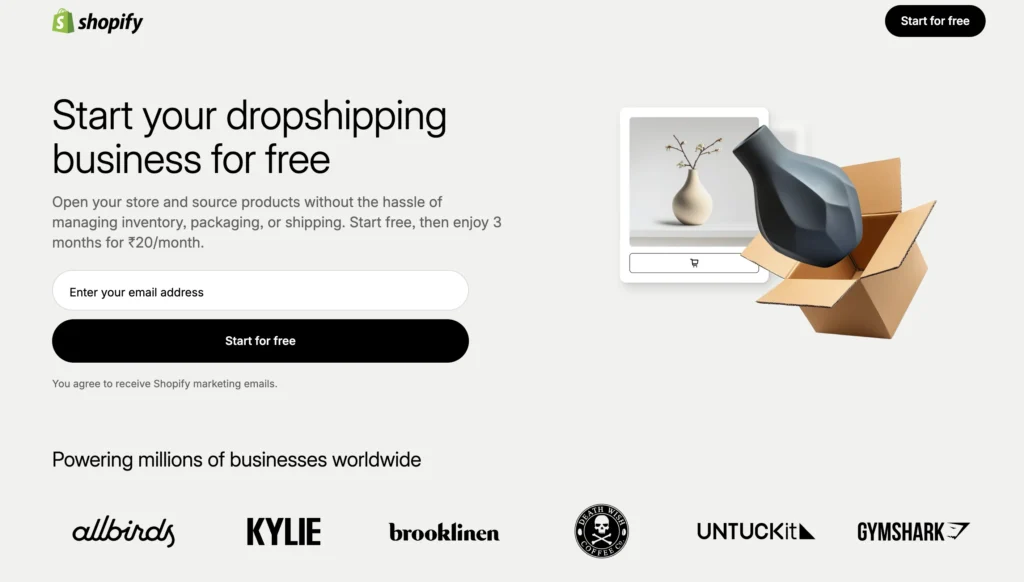
Dropshipping is a business model where the store owner does not keep products in stock. Instead, products are shipped directly from supplier to customer.
You act as the middle person.
Dropshipping flow:
- Customer orders from your store
- You forward order to supplier
- Supplier ships product
- Customer receives delivery
You never handle inventory.
Shopify Dropshipping Example
| Step | Example |
|---|---|
| Supplier cost | ₹700 |
| Your selling price | ₹1,400 |
| Your profit | ₹700 |
This model is attractive for students because startup cost is low.
What Is Shopify Fees?
Another very common question is what is Shopify fees. Shopify is not free forever, but it is affordable compared to traditional business.
Shopify charges monthly subscription fees and optional app fees.
Shopify fees include:
- Monthly plan cost
- Transaction fees (if applicable)
- Paid apps (optional)
- Custom domain (optional)
You only pay for what you use.
Shopify Pricing Overview Table
| Cost Type | Explanation |
|---|---|
| Subscription | Monthly plan |
| Apps | Extra features |
| Domain | Website address |
| Payments | Gateway charges |
This transparency helps beginners plan budget.
What Is Shopify Is It Free?
Many students ask what is Shopify is it free because they want to test before investing.
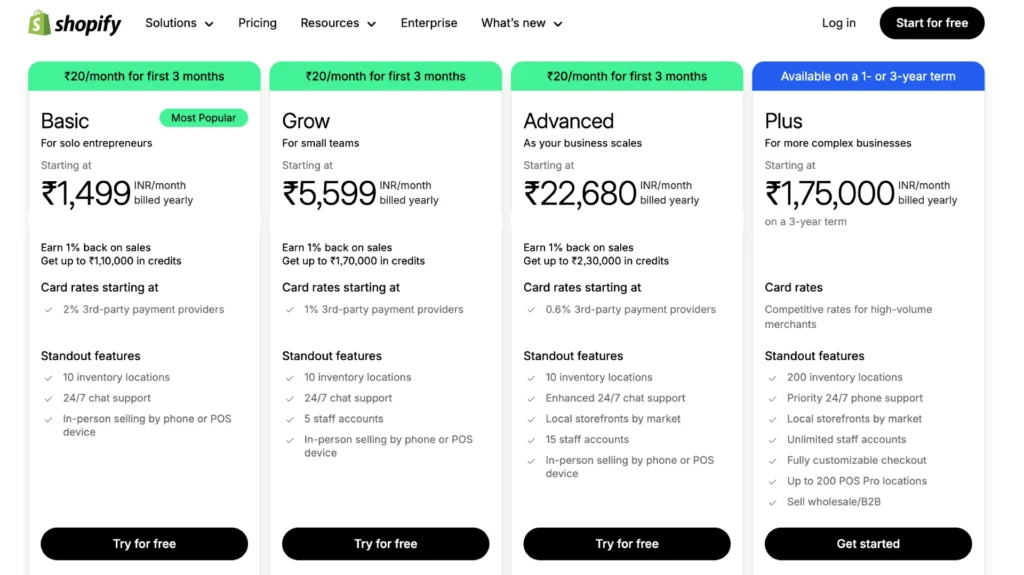
Shopify offers a free trial, which allows you to:
- Create store
- Add products
- Test design
But to start selling, you must choose a paid plan.
So Shopify is not free forever, but it allows risk-free learning.
What Is Shopify Is It Safe?
Safety is extremely important when money is involved. So people ask what is Shopify is it safe.
Yes, Shopify is very safe.
Shopify protects stores using:
- SSL encryption
- Secure servers
- PCI compliance
- Fraud detection systems
This is why millions of businesses trust Shopify globally.
Advantages of Shopify
Shopify offers many advantages, especially for beginners.
Main advantages:
- Easy to use interface
- No technical setup
- Fast store creation
- Secure payment system
- Scalable for future growth
These benefits make Shopify perfect for students.
Disadvantages of Shopify
At the same time, it is important to know limitations.
Shopify disadvantages:
- Monthly cost
- App dependency
- Advanced customization cost
But for beginners, these disadvantages are manageable.
Why Shopify Is Good for Students
Shopify is a learning platform as well as a business platform.
It helps students:
- Understand real business
- Learn digital marketing
- Build technical skills
- Earn experience
- Work with international clients
This practical exposure is very valuable.
What Is Shopify Developer?
A very common question among learners is: What is Shopify developer?
A Shopify developer is a person who builds, customizes, and maintains Shopify stores. They work on the technical side of Shopify and help store owners improve design, performance, and functionality.
Shopify developers do not build websites from zero. Instead, they work inside the Shopify ecosystem and customize it based on business needs.
In simple words:
A Shopify developer makes Shopify stores look better and work smarter.
What Does a Shopify Developer Do?
A Shopify developer works on many real-world tasks.
They usually handle:
- Theme customization
- Homepage design
- Product page optimization
- Checkout customization
- App integration
- Speed optimization
- Bug fixing
- Shopify API integration
Their role depends on project size and client requirement.
Skills Required to Become Shopify Developer
To become a Shopify developer, you do not need to learn heavy backend languages like Java or Python at the beginning.
Shopify focuses mainly on frontend and platform-based development.
Core skills required:
- HTML
- CSS
- JavaScript
- Shopify Liquid (templating language)
- Shopify Admin knowledge
- Basic API understanding
These skills are enough to start freelancing.
Shopify Liquid Explained Simply
Liquid is Shopify’s own templating language. It is used to display dynamic content on Shopify stores.
Liquid helps developers:
- Show products dynamically
- Loop product data
- Display prices
- Manage collections
You don’t need advanced programming to learn Liquid.
That’s why Shopify development is beginner friendly.
Shopify Developer Salary
One of the biggest motivations for students is salary.
Shopify developers are in high demand worldwide because Shopify stores are increasing every year.
Shopify developer salary (approximate):
| Level | Monthly Salary |
|---|---|
| Beginner | ₹25,000 – ₹40,000 |
| Intermediate | ₹60,000 – ₹1,20,000 |
| Expert | ₹2–5 lakh+ |
| Freelancers | Per project / hourly |
International clients pay even higher.
Why Shopify Developer Career Is Growing
Shopify development is growing because:
- Millions of Shopify stores exist
- Businesses need customization
- Themes require optimization
- Apps require integration
- Migration demand is increasing
This creates continuous job opportunities.
Shopify Apps Ecosystem
One of Shopify’s biggest strengths is its app ecosystem.
Shopify has thousands of apps that add extra features to stores.
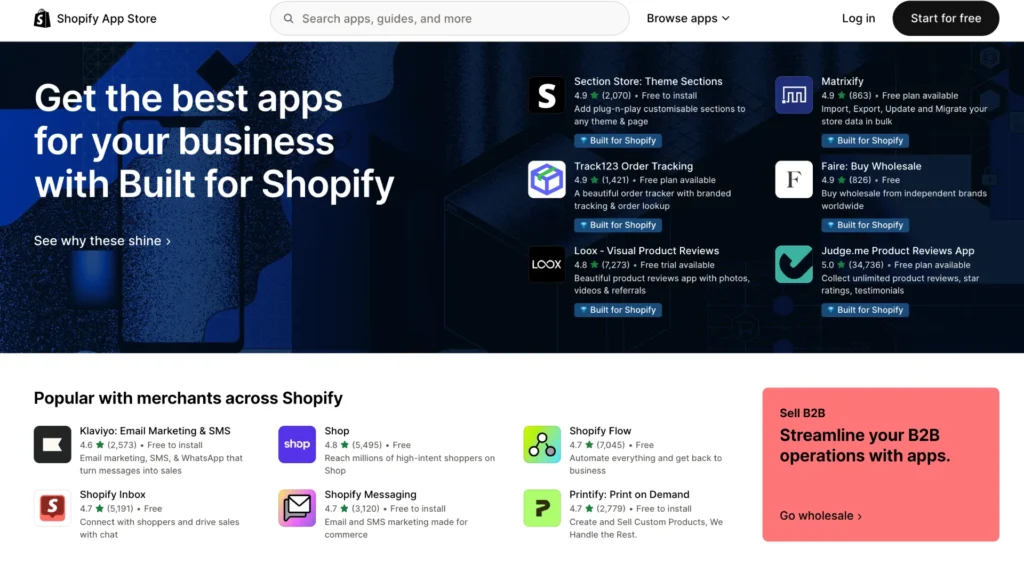
These apps help store owners without coding.
Types of Shopify Apps
Shopify apps are used for many purposes.
Popular app categories:
- Marketing apps
- SEO apps
- Email automation
- Reviews and ratings
- Dropshipping tools
- Shipping automation
- Inventory management
- AI tools
Apps make Shopify powerful and flexible.
Example: How Apps Help Store Owners
Imagine you want to:
- Send abandoned cart emails
- Add product reviews
- Create discounts automatically
Without apps, this would require coding.
With Shopify apps, it can be done in minutes. Shopify Apps include the magic inside “What is Shopify”.
Shopify Payment Gateways
Payments are the heart of any online store.
Shopify supports many payment gateways globally.
Common payment methods supported:
- Credit / Debit cards
- UPI
- Net banking
- PayPal
- Stripe
- Shopify Payments
- Local gateways
Shopify automatically handles secure checkout. It is the best part of “What is Shopify”.
Shopify Payments (Built-in System)
Shopify Payments is Shopify’s own payment gateway. So this is one of the most import topic inside “What is Shopify”
Advantages:
- No extra transaction fees
- Fast payouts
- Easy setup
- Integrated dashboard
However, Shopify Payments is not available in all countries.
Additional Read – Shopify Partial Payment Guide 2026
Shopify Payment Flow Table
| Step | Process |
|---|---|
| Customer pays | Secure checkout |
| Payment captured | Gateway processes |
| Order created | Shopify dashboard |
| Payout | Sent to bank |
Everything is automated.
Shopify Shipping System
Shipping is another major feature.
Shopify allows store owners to:
- Set shipping zones
- Create shipping rates
- Use carrier-calculated shipping
- Print shipping labels
This helps manage logistics easily.
Shipping Options in Shopify
Shopify supports:
- Flat-rate shipping
- Free shipping
- Weight-based shipping
- Price-based shipping
- Real-time carrier rates
This flexibility is useful for global businesses.
Shopify Shipping Partners
Shopify integrates with many carriers.
Examples:
- FedEx
- UPS
- USPS
- DHL
- Local courier services
This makes shipping automation easy.
Shopify Themes Explained
Themes control how your store looks.
Shopify provides:
- Free themes
- Paid premium themes
Themes can be customized easily.
Shopify Theme Structure
Themes include:
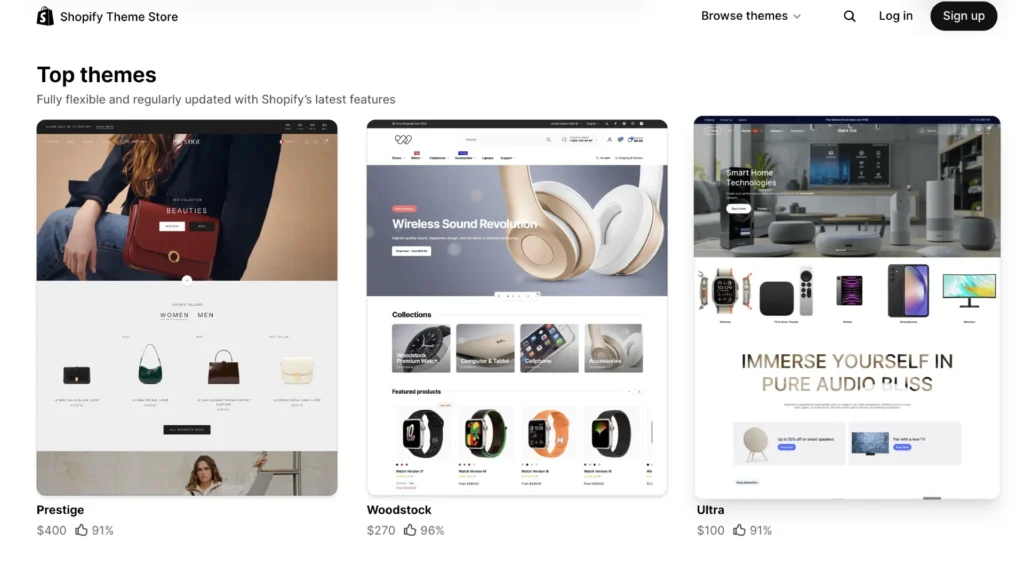
- Homepage layout
- Product pages
- Collection pages
- Cart design
- Checkout styling
Developers customize themes using Liquid and CSS.
Free vs Paid Shopify Themes
| Feature | Free Theme | Paid Theme |
|---|---|---|
| Cost | Free | Paid |
| Design | Basic | Premium |
| Speed | Good | Very good |
| Support | Limited | Premium |
Beginners usually start with free themes.
Shopify Dashboard Explained
Shopify dashboard is the control panel of your store.
From dashboard, you can:
- Manage products
- Track orders
- View analytics
- Handle customers
- Control apps
- Configure payments
Everything is centralized.
Shopify Analytics
Shopify provides built-in analytics to track performance.
You can see:
- Sales reports
- Conversion rate
- Traffic source
- Customer behavior
This helps store owners make better decisions.
Shopify Ecosystem (Big Picture)
Shopify is not just a tool — it is an ecosystem.
It includes:
- Store owners
- Developers
- App developers
- Theme designers
- Marketers
- Agencies
This ecosystem creates long-term opportunities.
Why Shopify Is a Long-Term Skill
Shopify is not a short-term trend.
It is growing because:
- Online shopping is increasing
- Direct-to-consumer brands are growing
- Small businesses are going digital
- Global eCommerce expansion continues
Learning Shopify is an investment in future skills.
Shopify vs Traditional Website Development
| Point | Shopify | Traditional Website |
|---|---|---|
| Setup time | Very fast | Very slow |
| Security | Included | Manual |
| Maintenance | Automatic | Developer needed |
| Cost | Predictable | High |
This is why many businesses choose Shopify.
What Students Learn from Shopify
Shopify teaches real-world skills.
Students learn:
- Business thinking
- Marketing basics
- UI/UX understanding
- Customer psychology
- Payment systems
- Logistics concepts
These skills are useful beyond Shopify.
Why Shopify Knowledge Is Valuable
Even if you don’t open a store, Shopify skills help you:
- Get freelance projects
- Work with agencies
- Build career in eCommerce
- Understand digital business
That’s why Shopify is taught globally.
Shopify and Artificial Intelligence (AI)
In recent years, Shopify has started focusing heavily on Artificial Intelligence.
AI is changing how online stores operate. Shopify understands this and is actively integrating AI tools inside its platform.
Shopify AI helps store owners work faster, smarter, and more efficiently.
How Shopify Uses AI
Shopify AI is designed to assist users, not replace them.
AI features in Shopify include:
- Automatic product description writing
- Smart product recommendations
- Sales analytics insights
- Customer behavior prediction
- Marketing suggestions
- Store optimization tips
This helps beginners who struggle with content and decision-making.
Example: AI in Real Shopify Store
Imagine a student creates a store but does not know how to write product descriptions.
Shopify AI can:
- Analyze product data
- Generate readable descriptions
- Suggest keywords
- Improve conversion-focused content
This saves time and increases confidence.
Why AI Makes Shopify Stronger
AI makes Shopify more beginner friendly.
Benefits include:
- Reduced learning curve
- Faster store setup
- Better decision making
- Improved customer experience
This is why Shopify is future-ready.
Future of Shopify
Many students ask:
Is Shopify still worth learning in 2026 and beyond?
The answer is yes, and here is why.
Shopify is not just an eCommerce website builder anymore. It is becoming a global commerce infrastructure.
Reasons Shopify Has Strong Future
Shopify’s future looks strong because:
- Global eCommerce is growing every year
- Mobile shopping is increasing
- Small businesses are moving online
- Creator economy is expanding
- Subscription-based models are rising
- AI-driven commerce is growing
All these trends support Shopify growth.
Shopify Growth Overview Table
| Area | Future Trend |
|---|---|
| Online shopping | Increasing |
| Mobile commerce | Growing fast |
| AI usage | Expanding |
| DTC brands | Rising |
| Freelancing | Increasing |
This shows Shopify is aligned with global trends.
Is Shopify Safe for Long-Term Career?
Many students worry whether Shopify skills will become outdated.
The truth is — Shopify is evolving, not shrinking.
Shopify continuously updates:
- APIs
- Developer tools
- Themes
- Checkout system
- Performance optimization
This means developers and store owners grow with the platform.
Shopify Career Options
Shopify is not limited to one career path.
You can choose from multiple roles.
Shopify career options:
- Shopify store owner
- Dropshipping entrepreneur
- Shopify developer
- Shopify theme designer
- Shopify app developer
- Shopify SEO specialist
- Shopify marketing expert
- Shopify consultant
This diversity increases job stability.
Shopify Career Roadmap for Students
Here is a simple learning roadmap for students.
Step 1: Understand basics
- What is Shopify
- How online stores work
- eCommerce fundamentals
Step 2: Learn Shopify admin
- Products
- Orders
- Payments
- Shipping
Step 3: Learn development basics
- HTML
- CSS
- JavaScript
- Liquid
Step 4: Practice
- Create demo stores
- Customize themes
- Test apps
Step 5: Choose direction
- Business
- Development
- Freelancing
This roadmap is realistic and achievable.
Shopify for Freelancing
Shopify is one of the best freelancing skills.
Why?
Because businesses prefer Shopify specialists instead of full-stack developers.
Freelance services in demand:
- Store setup
- Theme customization
- Speed optimization
- App integration
- Bug fixing
- Migration to Shopify
Freelancers earn globally.
Shopify vs Traditional Jobs
| Factor | Shopify Career | Traditional Job |
|---|---|---|
| Location | Global | Local |
| Income limit | No limit | Fixed |
| Growth | Fast | Slow |
| Skill value | High | Moderate |
This is why many students choose Shopify.
Is Shopify Good for Beginners?
Yes — Shopify is one of the best platforms for beginners.
Reasons:
- Easy interface
- Strong documentation
- Huge community
- Tutorials available
- Low technical barrier
Even non-technical students can start.
Common Mistakes Beginners Make
Many students fail not because Shopify is bad, but because of wrong expectations.
Common mistakes include:
- Expecting instant income
- Copying others blindly
- Not learning fundamentals
- Ignoring marketing
- Giving up too early
Shopify requires patience and consistency.
What Shopify Is NOT
It is important to understand what Shopify is not.
Shopify is NOT:
- A money-making machine
- A shortcut to success
- A guarantee of profit
Shopify is a tool, not magic.
Success depends on how you use it.
Real-Life Learning Lesson
Many students quit after one month because they don’t see results.
But those who treat Shopify as a skill — not a shortcut — succeed in the long run.
Learning Shopify teaches discipline, patience, and business thinking.
Shopify in Next 5–10 Years
In the next decade, Shopify will likely:
- Expand AI-powered commerce
- Improve automation
- Support omnichannel selling
- Strengthen mobile commerce
- Simplify global selling
This makes Shopify future-proof.
Final Summary Table
| Topic | Summary |
|---|---|
| What is Shopify | Online store platform |
| Difficulty | Beginner friendly |
| Cost | Affordable |
| Safety | Very secure |
| Career | High demand |
| Future | Strong growth |
Final Thoughts: What Is Shopify
So finally, what is Shopify?
Shopify is not just a website builder.
It is:
- A business platform
- A learning tool
- A career path
- A global opportunity
For students, Shopify offers more than income — it offers experience, skills, and confidence.
If you understand what is Shopify and how does it work, you open the door to digital opportunities that did not exist before.